When America Hosted the Biggest World Cup Ever
-
 Haileegziabher Adhanom
- 2 Min To Read
- 02 Aug, 2026
By Haileegziabher Adhanom Degefa
July 18th, 2026, the eve of the 2026 FIFA World Cup final. American Airlines flight AA578 was scheduled to fly from DFW, Dallas, to JFK, New York. I sat in 33A, the very last seat at the tail of the plane. The scheduled arrival time was 9:00pm, and it took off on time, with everything seeming to go according to plan.
I imagined what it would feel like to cover and attend the FIFA World Cup final. Spain vs Argentina. Europe vs South America and the world champions. Lamine Yamal vs Lionel Messi. Luis de la Fuente vs Lionel Scaloni. New York/New Jersey Stadium, all the head to heads, the anticipation, the momentum, built and raised to a level where the world awaited the spectacle of the beautiful game as it had never been seen.
What would the closing ceremony and trophy presentation look like? Who was going to be world champion? Who would win the Golden Ball, the Golden Boot, and so on? All kinds of thoughts crossed my mind. But before all that, I had a plan for once I arrived in New York, meeting a friend of mine and visiting some of the city's iconic landmarks before heading to my room were among them.
I streamed the third place match on the inflight Wi-Fi. England beating France 6-4 in Miami, Bukayo Saka scoring a hat-trick and Jude Bellingham dribbling from the halfway line for one of the goals of the tournament. France, having trailed 4-0 at half-time, rallied through a Kylian Mbappe brace and goals from Bradley Barcola and Ousmane Dembele, not enough to reverse the result, but enough to hand Mbappe a back to back Golden Boot with 10 goals and make him the all-time top scorer in World Cup history with 22, one ahead of Messi. It was England's best result on foreign soil, and Didier Deschamps’s fourth place finish closed out 14 years in charge of Les Bleus, eight years after he'd won it all.
After the game ended, I finally got time to sit back, relax, and reflect on how the past 38 days of the greatest sporting event on the planet had unfolded. from record-breaking hosts and participants to amazing fan cultures and interactions, to shocking performances from traditionally small nations and debutants to superstars delivering as expected, to world-class venues, broadcasting, and records falling on every front.
When I first got my FIFA World Cup accreditation to cover the event as a journalist on April 30th, I hadn't expected to be this overwhelmed by emotion throughout the month, especially since I had an ample experience of covering global sporting events, such as the Olympics and World Athletics Championships, for over a decade, aside from the World Cup itself.
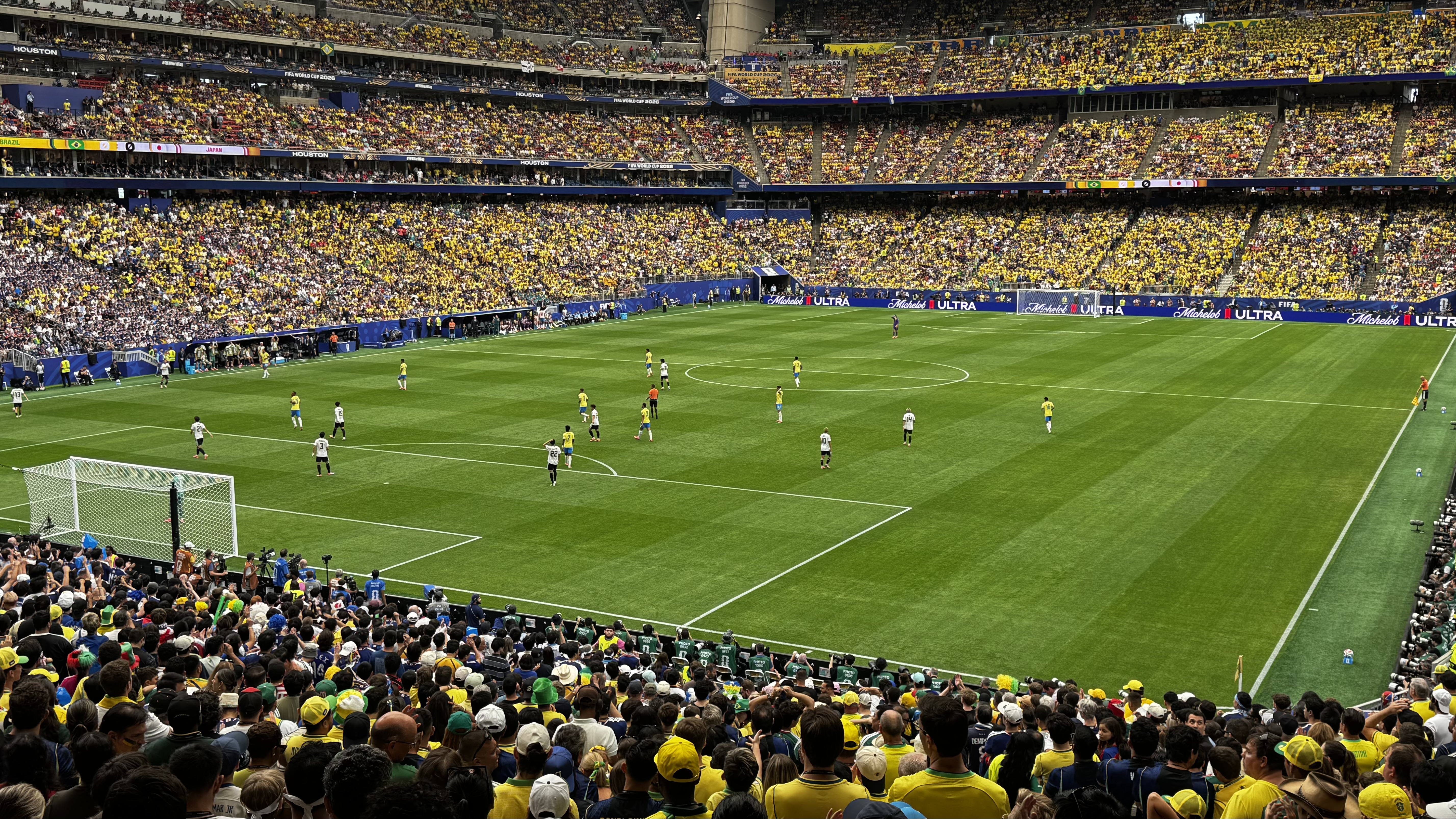
Then came my first-ever World Cup match attendance in person: debutants Curaçao against four-time world champions Germany in Houston. The stadium was full to the brim, with over 68,000 fans, predominantly clad in Germany's white. The match ended 7-1 in Germany's favour. The atmosphere was amazing, the stage was truly grand, everything was beyond extraordinary, and the match itself was thoroughly entertaining, even though it was lopsided, as expected. I was starstruck for the whole first 45 minutes and had to pinch myself; when I looked around, everybody seemed busy taking notes about the match except me. The good thing was that I was soaking it all in and capturing everything in my mind, and I hadn't missed a thing when it came time to jot down the main talking points at half-time.
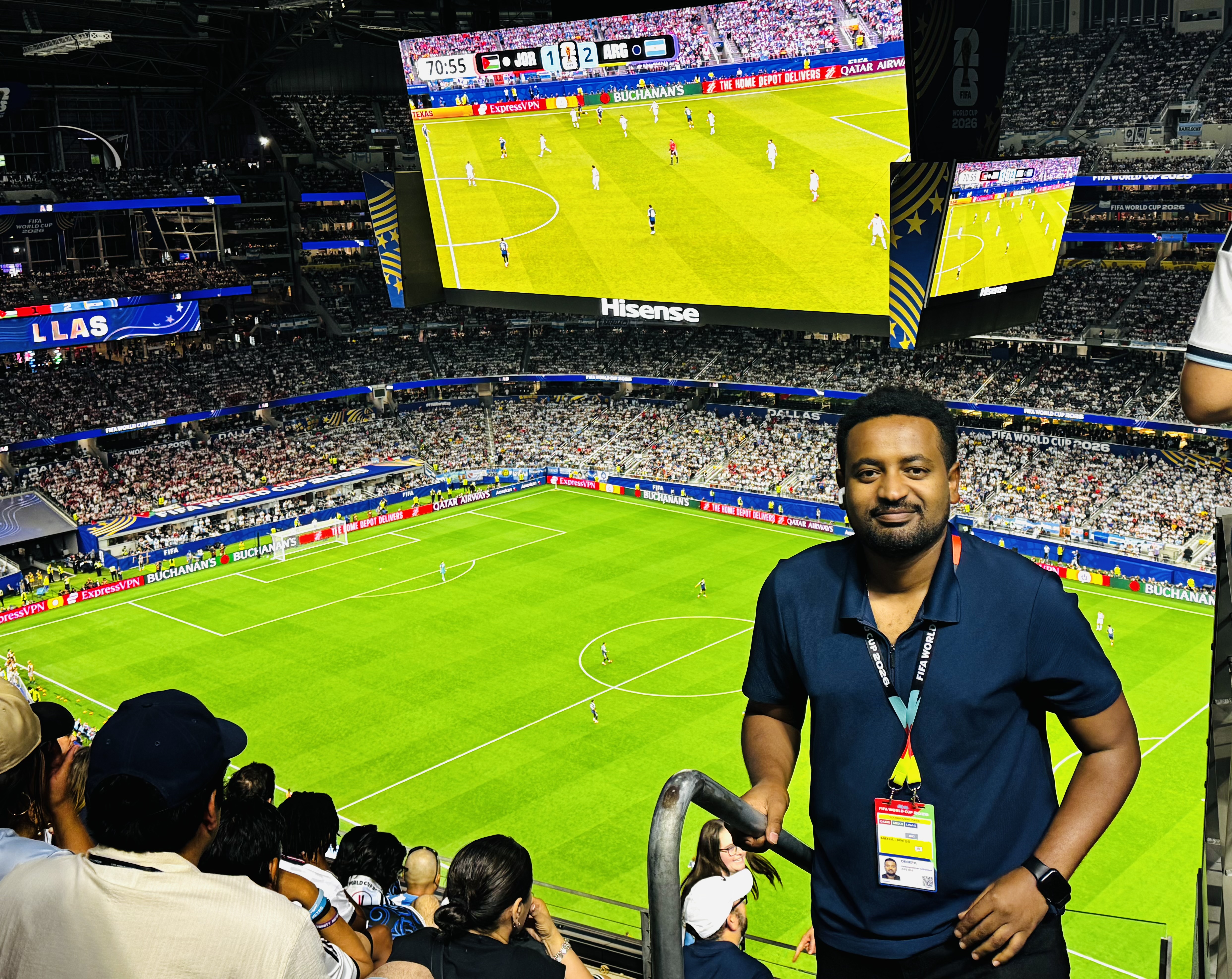
My sense of wonder never stopped growing as the tournament went on, as I had the privilege of attending more than twenty national teams' games, including Argentina, England, Portugal, Spain, Norway, Brazil, Egypt, Côte d'Ivoire, Morocco, and Croatia, among others, and had the chance to witness greatness at close quarters, in their pre and post-match media activities, open training sessions, and their matches.
I saw the biggest superstars of the game go about their business in a far more professional manner than I ever expected. I also got the chance to exchange words of wisdom with respected journalists and legends of the game. Every single day was a learning experience, and I never stopped being amazed by what unfolded throughout the tournament.
America Showed Its Identity to the World
The 2026 FIFA World Cup was massive. A first of its kind and record-breaking on every front and perfectly suited for the grand celebration of the country’s 250th anniversary. For the very first time, the World Cup was hosted by three countries together: the USA, Canada, and Mexico, with 78 of the 104 matches and 11 of the 16 host cities in the USA, while Canada and Mexico each hosted 13 matches. Mexico's Estadio Azteca, one of the three stadiums that hosted matches, became the first stadium in history to host three World Cup opening matches, as the tournament kicked off with Mexico beating South Africa 2-0 on June 11th. The stadium had previously hosted the World Cup in 1970 and 1986.
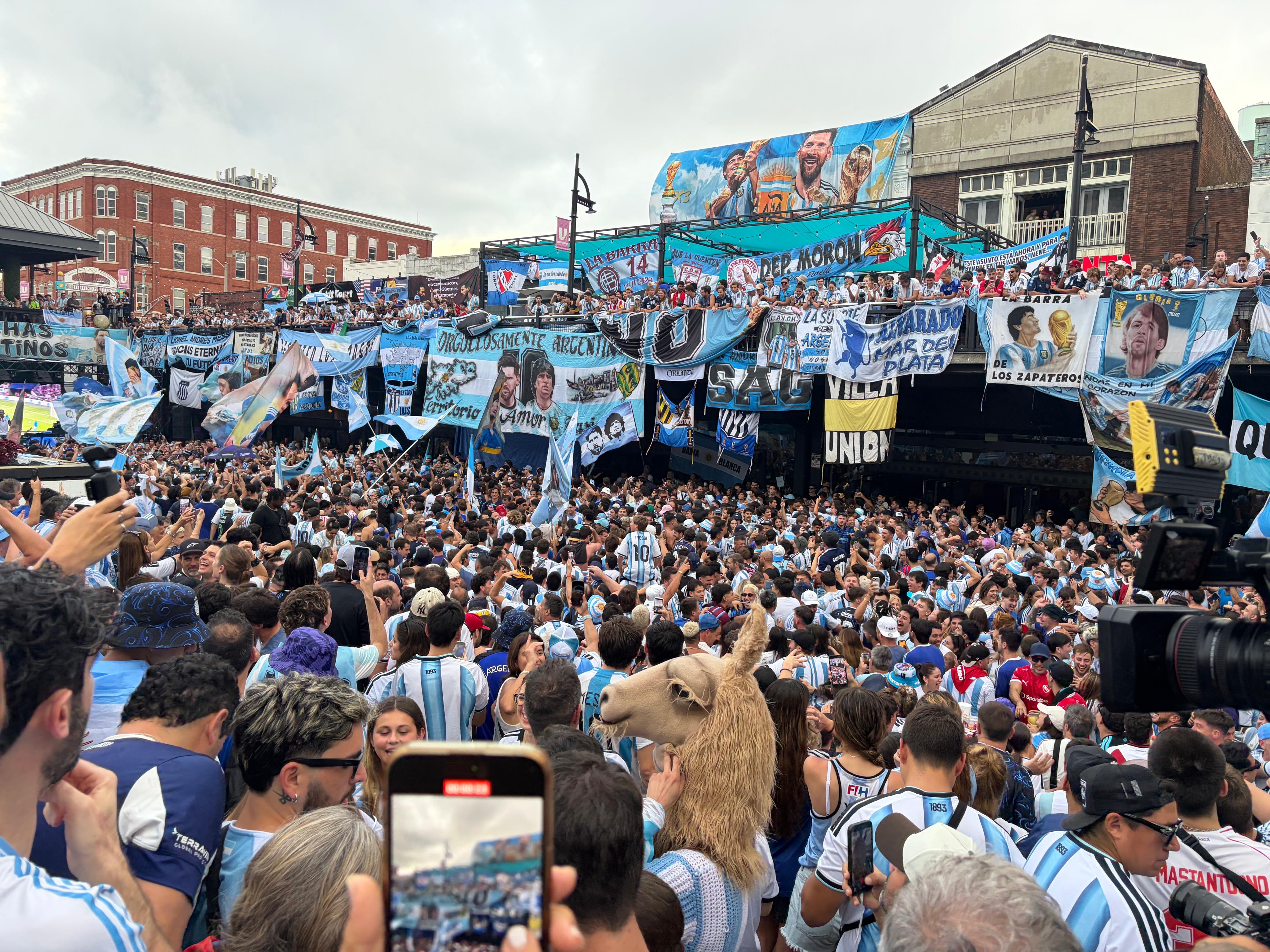
Throughout the tournament, America showed what a vast and great country it is. How friendly and welcoming its people are and how it is home to people from all kinds of backgrounds, with most national teams supported in every stadium not only by travelling fans but by vast diaspora communities and sport loving Americans. It felt as though every national team was playing at home, given the support they received from fans.
Worldclass football stadiums, amazing atmospheres, and huge turnouts were synonymous with this World Cup. 6.8 million fans attended matches inside stadiums, tens of millions more watched from official fan festival sites, 48 national teams took part, 308 goals were scored, 15 red cards were shown, a TV audience of 6 billion tuned in, and revenue of close to $13 billion was generated, all records never previously registered at a World Cup.
The feedback and human stories shared across different media outlets by visiting fans are a further testament to the tournament's success, one that transcends the game itself and speaks to the legacy it leaves behind. I interacted with people firsthand, and they told me how the game has the power to unite people beyond their racial, religious, and political differences. What a tournament, what a turnout, what a competition. Only one game remained: game number 104, the grand finale.
While I was lost in this nostalgic state of mind, a voice from the cockpit startled me. the pilot repeated a message: “Due to a thunderstorm around New York, we could not land at JFK at the moment, and we are heading for an emergency landing at BWI Airport in Baltimore. We will wait for the air traffic controllers to learn when we should return to New York.” … We hovered over Baltimore's skies for almost an hour and taxied for another hour on the airport tarmac. Finally, around 11:00pm, the pilot spoke again and told us we would be spending the night in Baltimore, with our flight rescheduled for 11:15am the next day.
I was shocked, unprepared, and all my excitement switched to panic mode immediately. especially since FIFA had already instructed all accredited media members to arrive at the stadium before 12:30, anticipating road closures for security reasons, a couple of hours ago.
I checked other airlines for early flights and spoke to agents at the counter for help but couldn't get one. So, I immediately looked for a plan B: an Amtrak train. I couldn't find a regular ticket but was lucky enough to get one business-class seat. literally the last available seat, as the train, with only five carriages, was fully booked.
I spent the night at the airport, since my pickup point was close by. After a while, I got another email from the airline informing me that my flight was delayed, with a new departure time of 3:00pm, exactly at the kickoff time. My panic kept rising. What if the train was delayed? What if there was a technical issue? What if it was overbooked? … Was I going to miss the World Cup final?
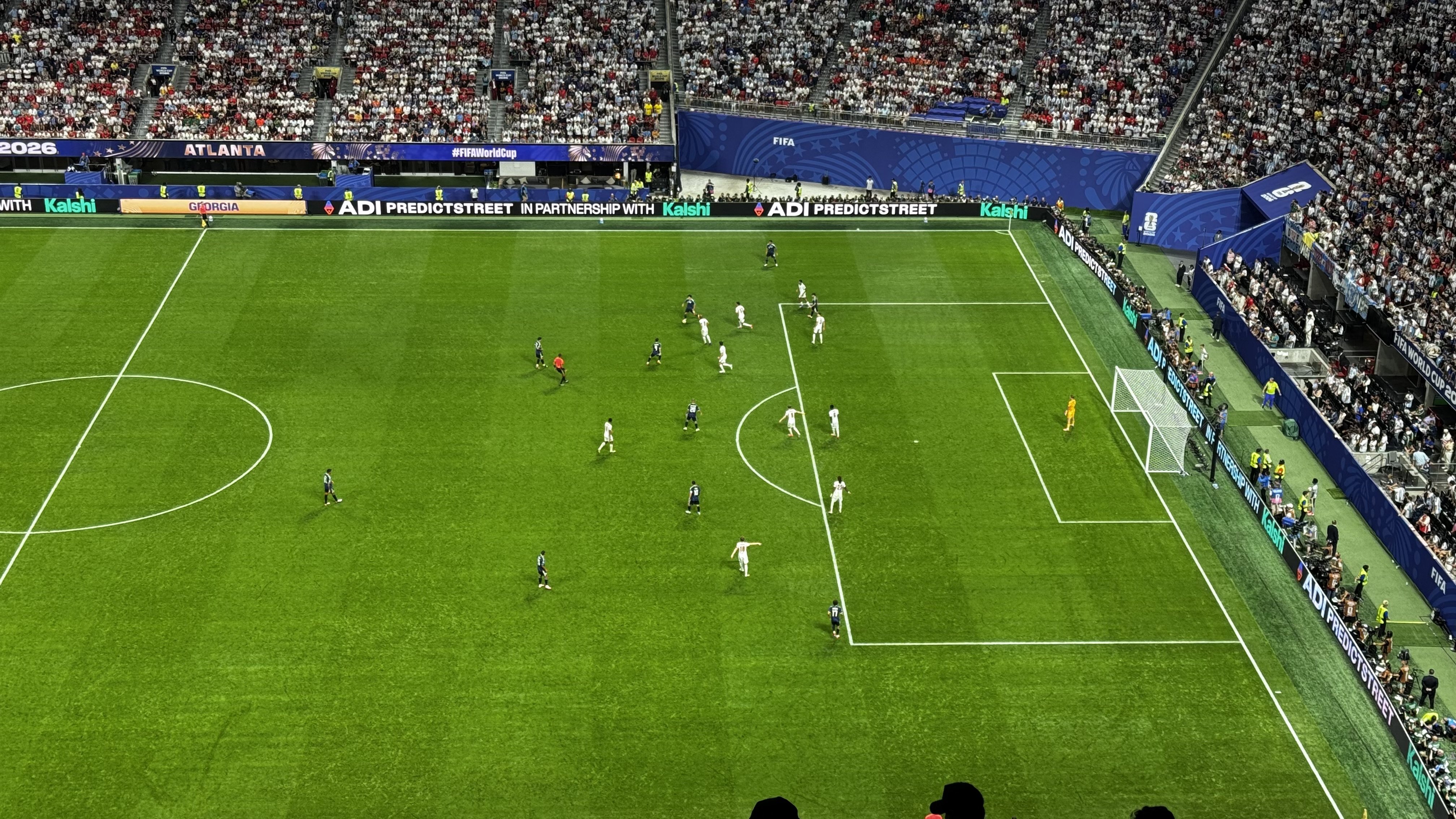
Funnily enough, just three days earlier I had travelled from Dallas to Atlanta to watch one of the most entertaining matches of the tournament, the semi-final between Argentina and England (2-1) and returned the same day. Even though I'd left home at 5:00am after delays to my initial Dallas to Nashville flight and my connection to Atlanta, I still arrived at the stadium 15 minutes before kickoff. Unfortunately, security ran out of bag tags, and hundreds of journalists had to queue and missed the first 20 minutes of the game until it was sorted out. The last thing I wanted was to go through that experience again and ruin my perfect World Cup ending.
The Beautiful Game Always Delivers
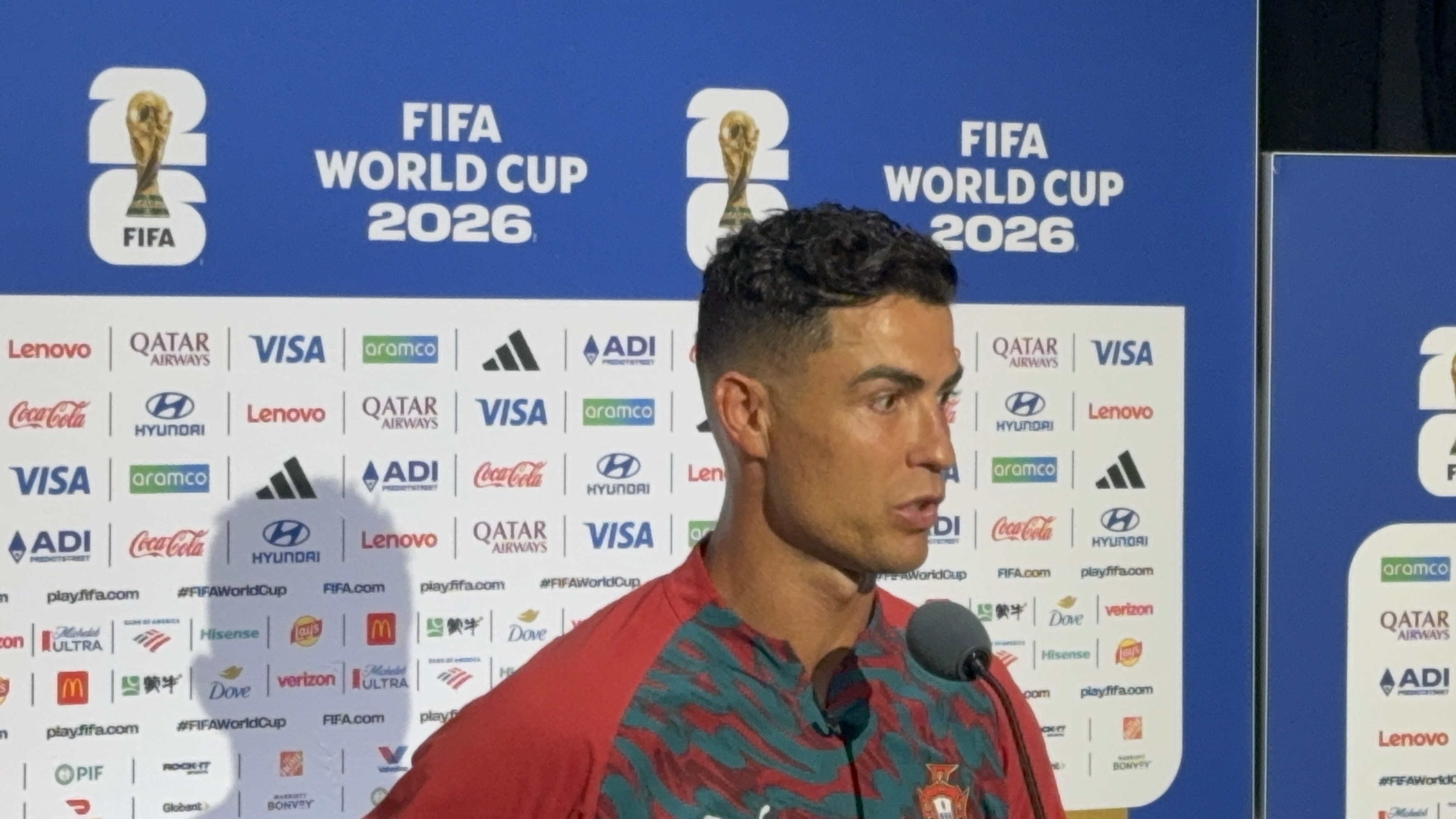
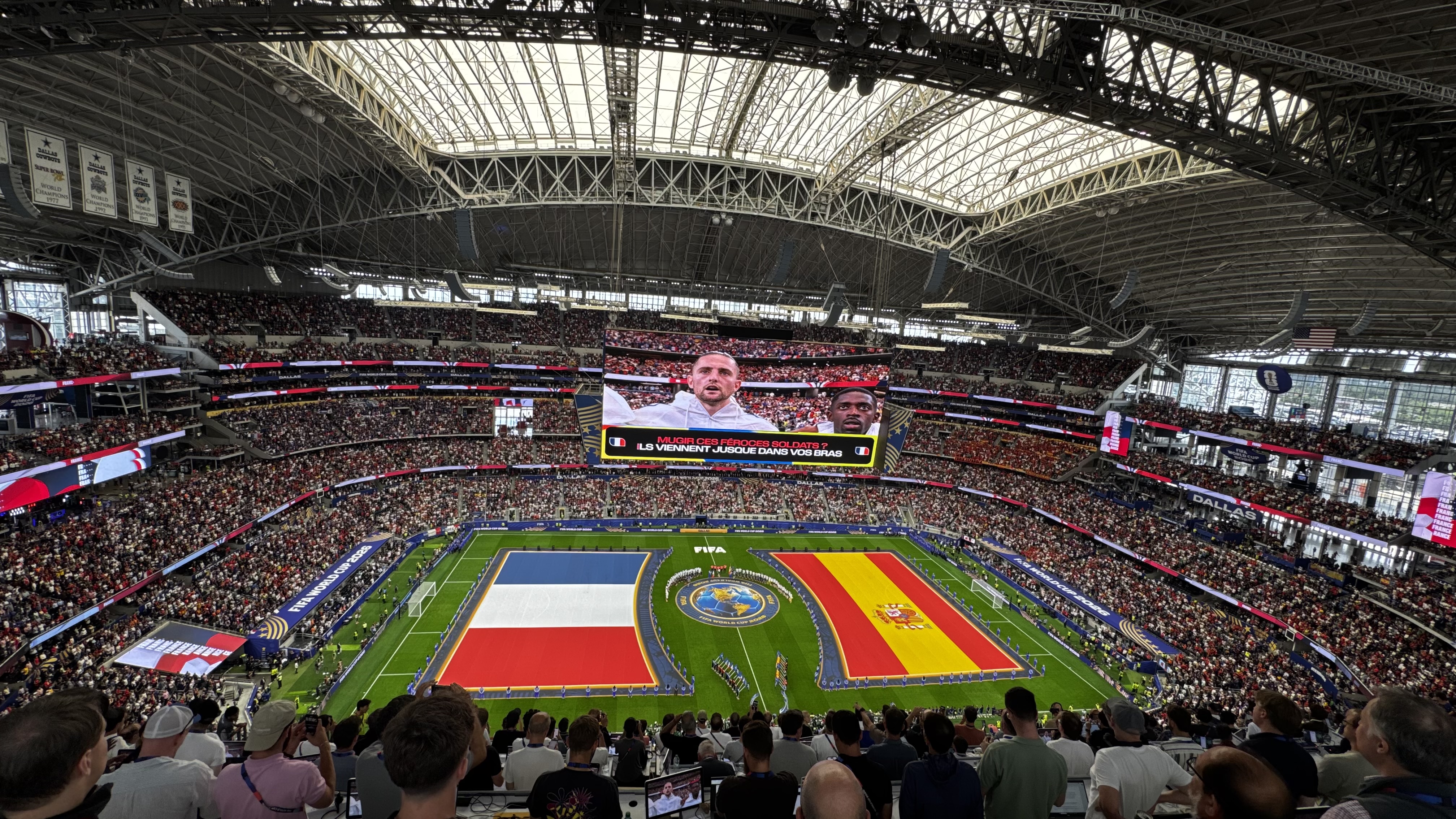
From the first Germany vs Curaçao match to the two blockbuster semi-finals between Spain vs France and England vs Argentina, I witnessed greatness unfold firsthand. From Lionel Messi’s mesmerizing performances to Cristiano Ronaldo, Neuer, Modric, and Neymar's heartbreaking farewells from the World Cup. From Kylian Mbappe, Michael Olise, Jude Bellingham, and Harry Kane’s outstanding performances to Erling Haaland's on and off the pitch success and popularity, after leading his country to their first quarter-finals of the World Cup and through his social media presence.
From Cape Verde's Vozinha's heroic debut and scintillating performances, to the amazing fan culture of the Netherlands' orange fan march, to Norway's famous “Ru,” and Argentina and Mexico's passionate fans. England and the USA's post match, concert like performances, with both players and fans jointly singing “Sweet Caroline,” “Wonderwall,” and “Take Me Home.”
It's not only established superstars who excelled in this tournament, future prodigies like Gilberto Mora of Mexico, and Pau Cubarsi and Lamine Yamal of Spain, showed what to expect going forward. All three host nations advanced to the round of 16, while debutants Cape Verde and underdogs Egypt, Colombia, Norway, DR Congo, Switzerland, and others showed that the landscape of football competition is becoming more level and why expanding the World Cup from 32 to 48 teams was the right decision. Brazil, Portugal, Germany, and the Netherlands' early exit also raised eyebrows. Amazing comebacks, last minute heartbreaks, on and off the pitch controversies, allegations and conspiracy theories, colorful ceremonies, all the drama of the beautiful game was on full display, and it's something etched into the hearts of billions worldwide, something that will live forever.
Road to the Final
At 7:55am, my journey started on time, from BWI Thurgood Marshall Airport Station to Newark Penn Station, New Jersey. What a huge sense of relief. It was a three hour journey, and I spent it reliving the best moments and personal experiences of the tournament.
Meeting two of the greatest of all time, Cristiano Ronaldo and Lionel Messi, along with Lamine Yamal and Kylian Mbappe, Bellingham and Kane, Deschamps, Ancelotti, Koeman, De la Fuente, Scaloni, and Tuchel, and taking their words directly to report on, was a surreal experience. For years I had watched them on TV and reported on their stories using secondary sources and other media outlets. But this time, sitting side by side with the very media outlets and journalists I had quoted for years, and learning how they frame their narratives and conduct their professional duties was monumental.
Meeting some of the legendary players such as, Alan Shearer, Wayne Rooney, Danny Murphy, Marcel Desailly, Andriy Shevchenko, and others, and celebrated writers Jonathan Wilson and Guillem Balague, learning from their experience and taking their advice, was invaluable.
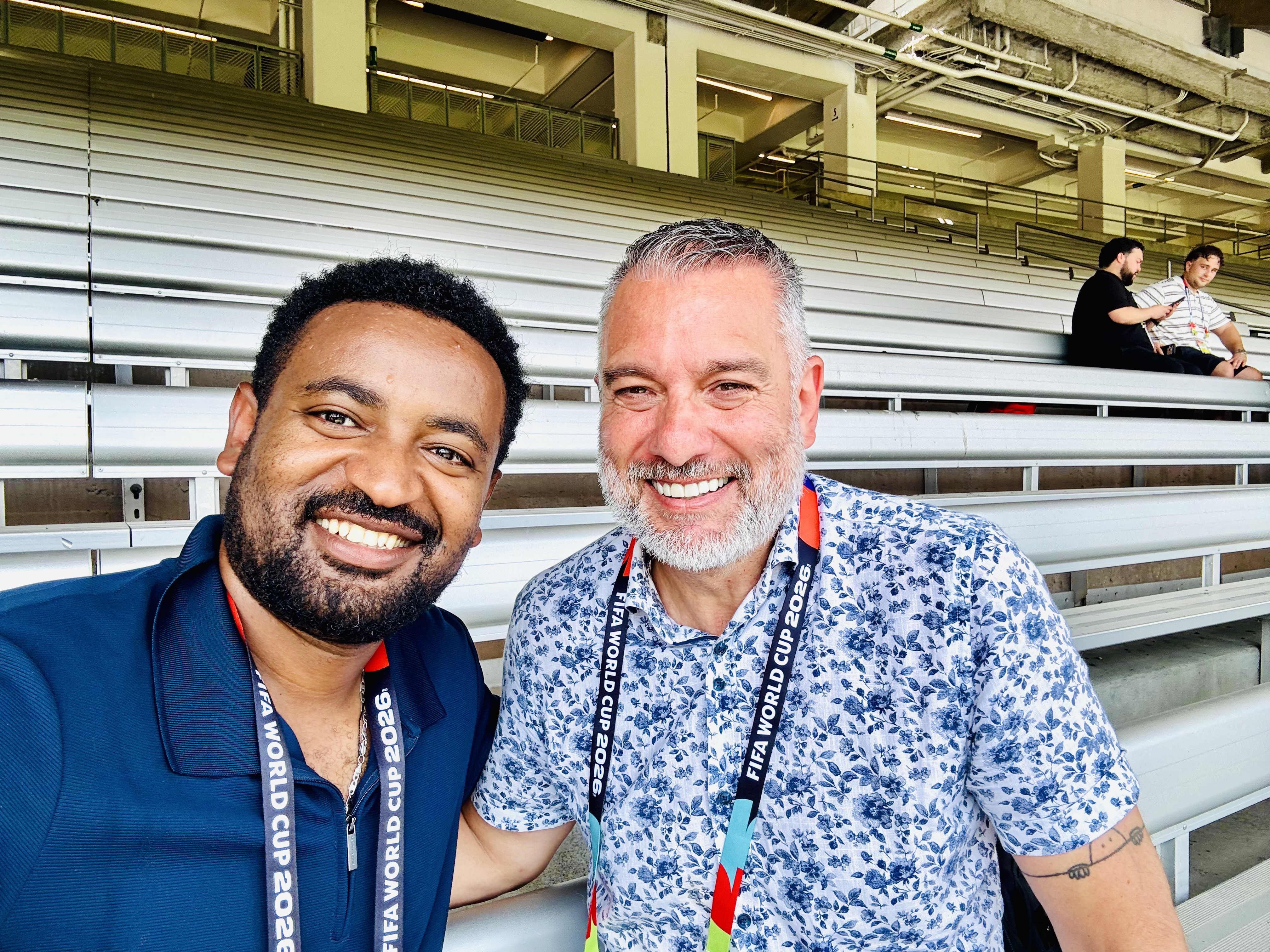
I saw how to cover a FIFA World Cup. I learned what it takes to get information and stand out in the most competitive environment, taking your chances at the mixed zones and press conferences. I saw the challenges faced by fellow journalists, the constant battle between accuracy and pace, and most importantly how to be and remain professional, and what professionalism brings you. It brings you reputation and respect. Who can forget the perfect tribute by Argentina coach Lionel Scaloni to veteran Argentina journalist Enrique Marquez, who prompted the coach to break his secrecy policy and reveal his lineup a day before his team played against Jordan.
The Final
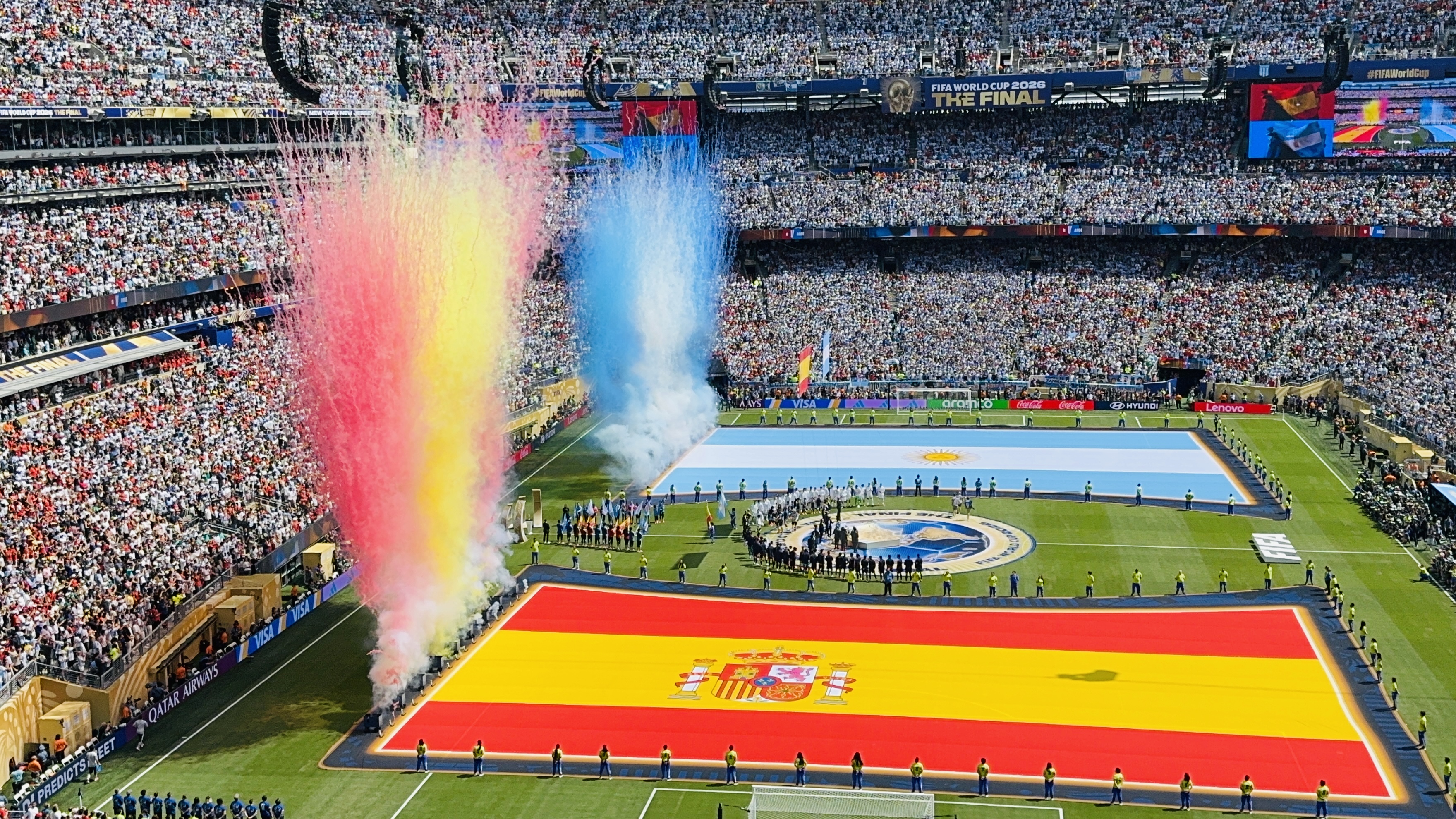
The 2026 FIFA World Cup final was more than just a game. It was attended by a host of American entertainment celebrities, movie stars, musicians, and sports legends. The presidents of the USA and Mexico, Donald Trump and Claudia Sheinbaum, Canadian Prime Minister Mark Carney, and Spain's King Felipe VI were all in attendance, along with other dignitaries, at New York/New Jersey Stadium.
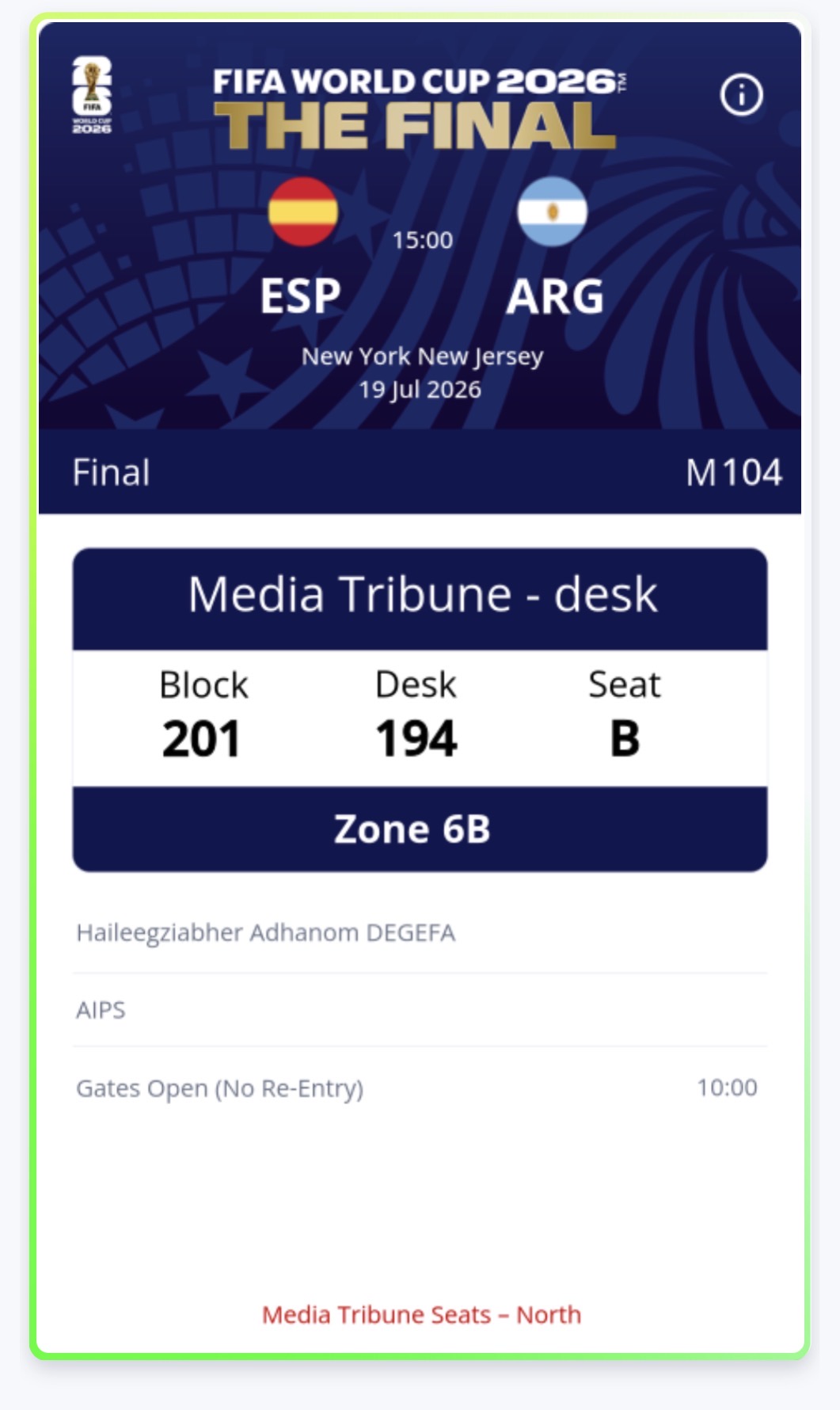
I reached the stadium three hours before kickoff. All the uncertainty, anxiety, and exhaustion had gone by then. I felt swarmed with pure joy and a sense of relief and disbelief as I stepped into my designated seat on the north side of the stadium.
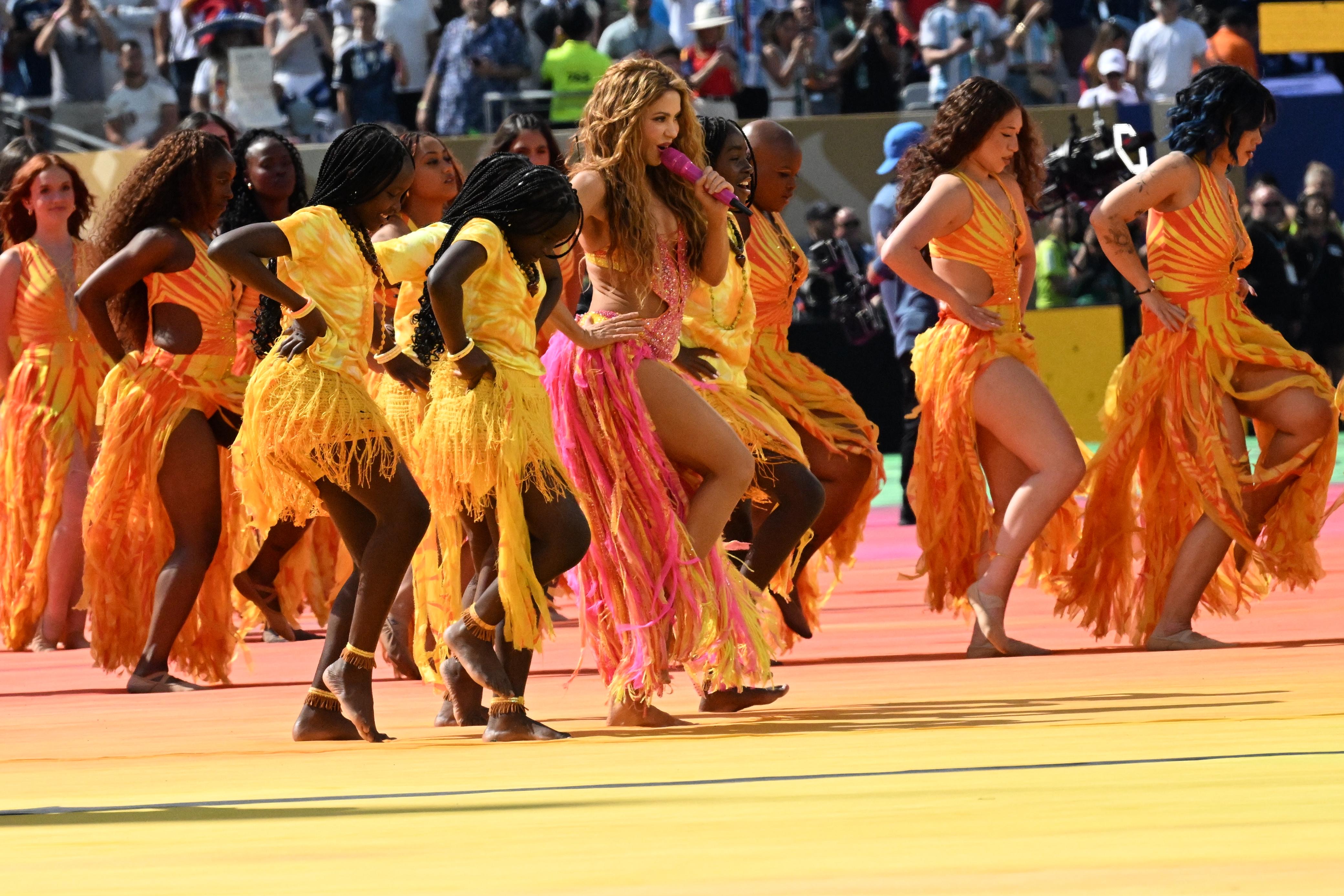
There was a halftime show like the American Super Bowl, the first in the tournament's near century long history. Global icons Madonna, Justin Bieber, Shakira, and BTS delivered performances for the 82,000 fans inside the stadium, and for billions watching worldwide. Though the idea of adding half time show was divisive, I have enjoyed it thoroughly and it was a whole new experience for me and many others which added extra flavor to the beautiful game.
The hugely anticipated match began, Spain vs Argentina, and all eyes were glued to the game. Would there be another moment of magic from Lionel Messi? Would there be another dominant masterclass from the Rodri led Spanish side, like the one they produced against favorites France in the semi-final? Would Lamine Yamal finally arrive with his flair to dethrone Argentina and Messi, and take up the baton as the future of the game?
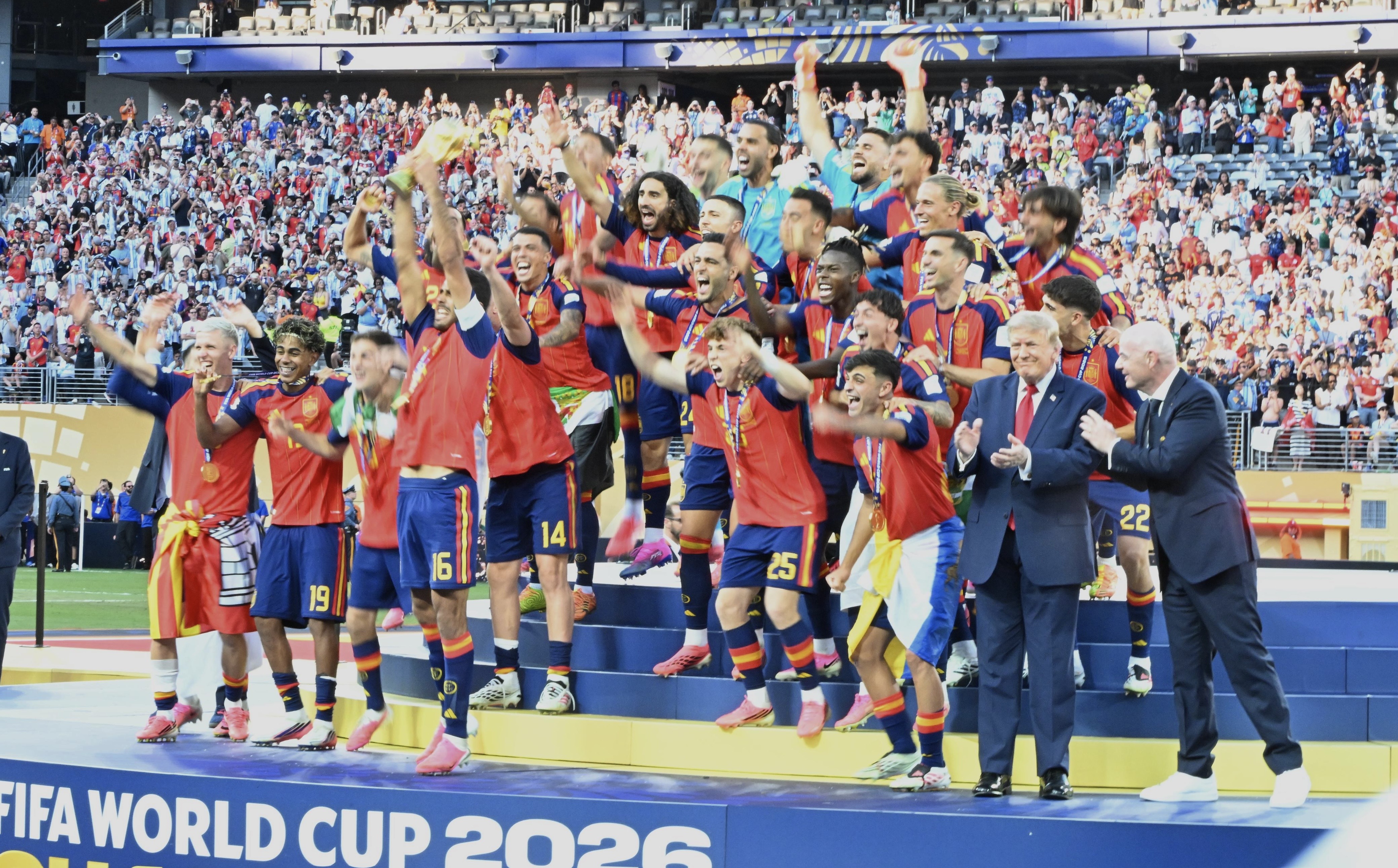
In the end, Spain won their second World Cup title after 16 years, dethroning defending champions Argentina in one of the most lopsided FIFA World Cup finals in recent memory. Ferran Torres scored the only goal of the match, in the 106th minute.
Spain had a very strong and positive start to the game. The usual ball-possession dominance was theirs.
The defending champions however finished the first half on the back foot, and their game plan appeared built around holding their organisation, sitting deep, and not conceding. There was no sign of attacking intent from them. It looked as though they were saving themselves for a late attack, as had been their pattern throughout the tournament. However, it never came. Argentina finished the whole 120 minutes of the game without registering a single shot on target.
Both teams made multiple changes in search of control in the second half, but it was only the Spanish show, as a Messi led Argentina failed to produce any spark. The second half looked like a mere continuation of the first, with Spain adding more directness to their play and creating chance after chance without converting. Partly they weren't clinical; partly, the ever present Emiliano Martinez was in superb form throughout, making a record breaking 11 saves in the final.
But things went from bad to worse when semi final hero Enzo Fernandez was sent off in stoppage time of regular time, shown a second yellow card after committing a foul on Pau Cubarsi, following a reaction to a refereeing decision that had earned him his first yellow moments earlier. Argentina were forced to play the final 30 minutes with a man down and completely lost their possible grip on the game. Down to ten men, and down in morale and emotion, they conceded in the final 15 minutes of extra time, extinguishing any hope of taking the match to penalties and settling it via shootout, as they had done it four years earlier in Qatar.
For far too long, Lionel Messi carried Argentina to their glories, or perhaps the team over relied on him, but beating a well drilled and disciplined Spanish team, one with a clear technical grasp of each individual's role and a distinctive playing style, through individual brilliance alone was too tall a task, even for a talent of Messi's caliber.
The 2026 FIFA World Cup final ended, cementing Spain's status as the most successful national team of the 21st century, having won two World Cups and three European Championships since the turn of the century, while shedding light on a darker side to Argentina's players' professionalism, after brawls and a sequence of classless acts following the final whistle.
Their players and coaching staff acted unprofessionally towards the Spanish players, turning their backs and failing to applaud as Spain lifted the trophy. A behavior branded shameful by the footballing world.
Individual Honours
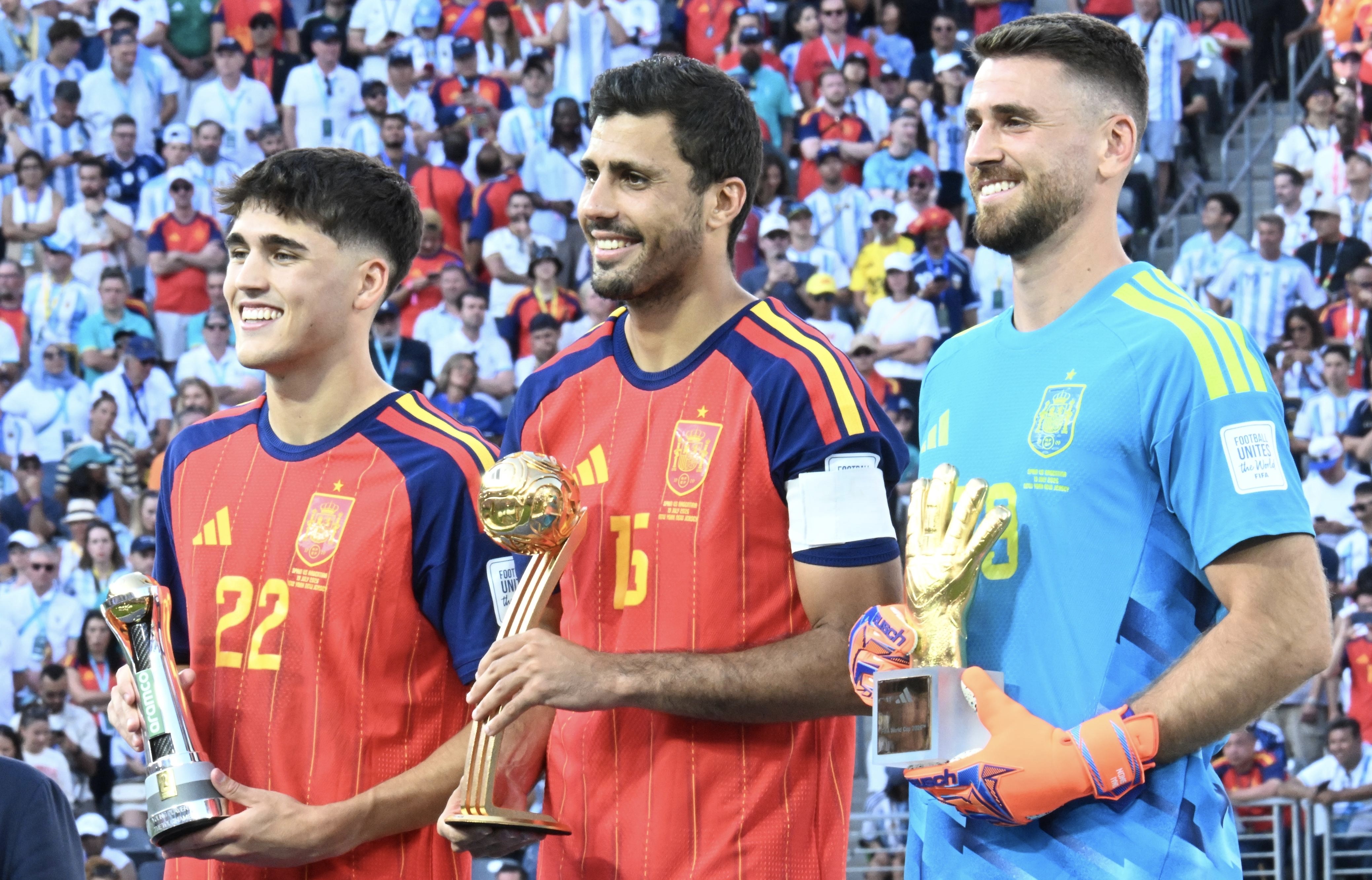
Spain's dominance throughout the tournament, especially in its latter stages, brought them not only the most important team victory and a second star on their shirt, but individual accolades as well, with FIFA recognizing four of their players as standout performers of the tournament.
Golden Ball - Rodri - Spain
Man of the Final Match - Ferran Torres - Spain
Golden Glove - Unai Simon - Spain (7 clean sheets, one goal conceded)
Best Young Player of the Tournament - Pau Cubarsi - Spain
Golden Boot - Kylian Mbappé - France (10 goals), all time World Cup top scorer with 22 goals
Most Assists - Michael Olise - France (7 assists)
It was quite a journey, and the greatest experience of my professional career, a once in a lifetime experience that I will treasure for as long as I live. Well done, FIFA. Well done, America, for delivering one of the most successful, entertaining, and unforgettable FIFA World Cups in years.
My return flight took me back to Dallas Fort Worth from JFK Airport in New York. This time, right on schedule.
Note: Part of this story was written for Amjambo Africa